



Women's Shearling Coats & Jackets
Showing 9 products
Explore Our Women's Shearling Coats & Jackets
Women's Shearling Coats & Jackets
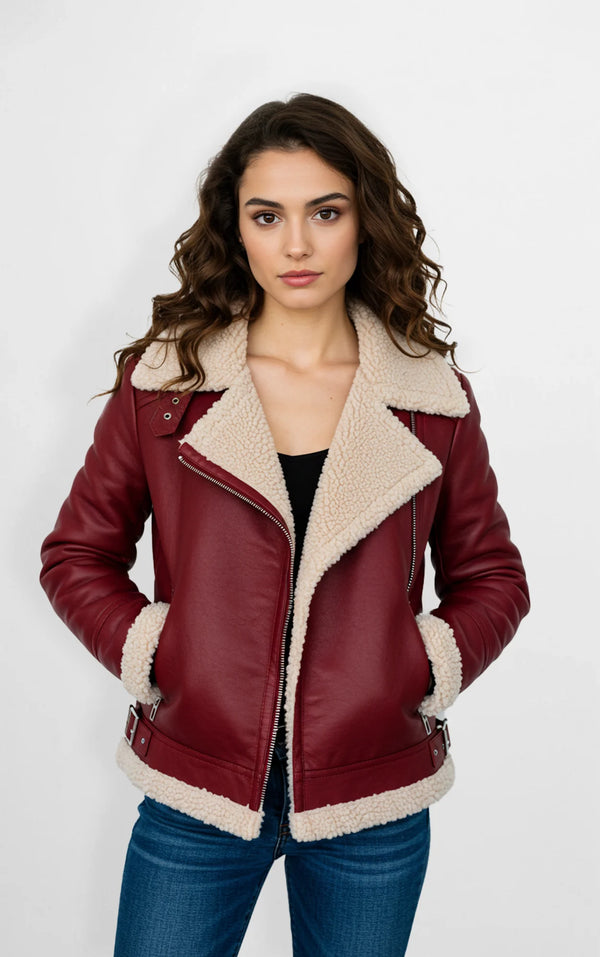
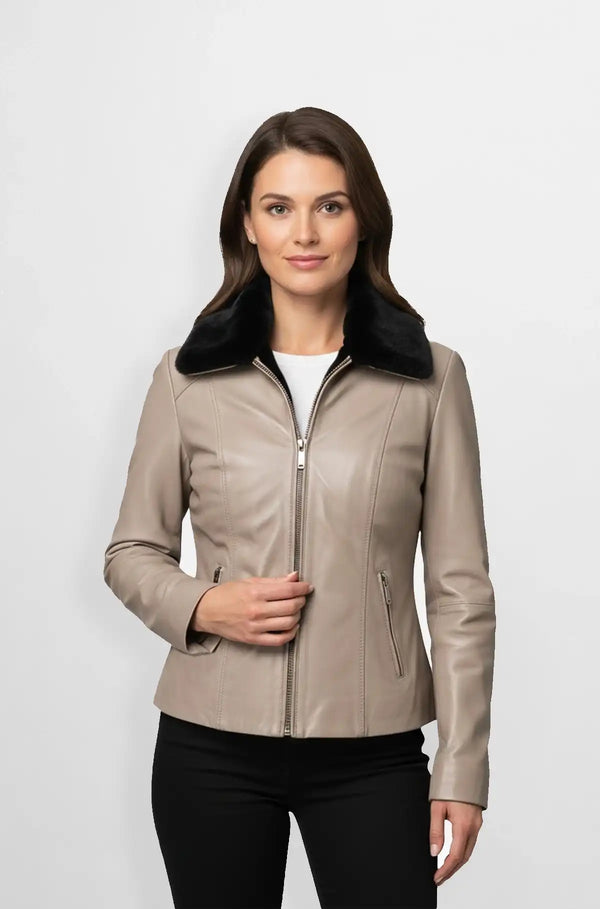
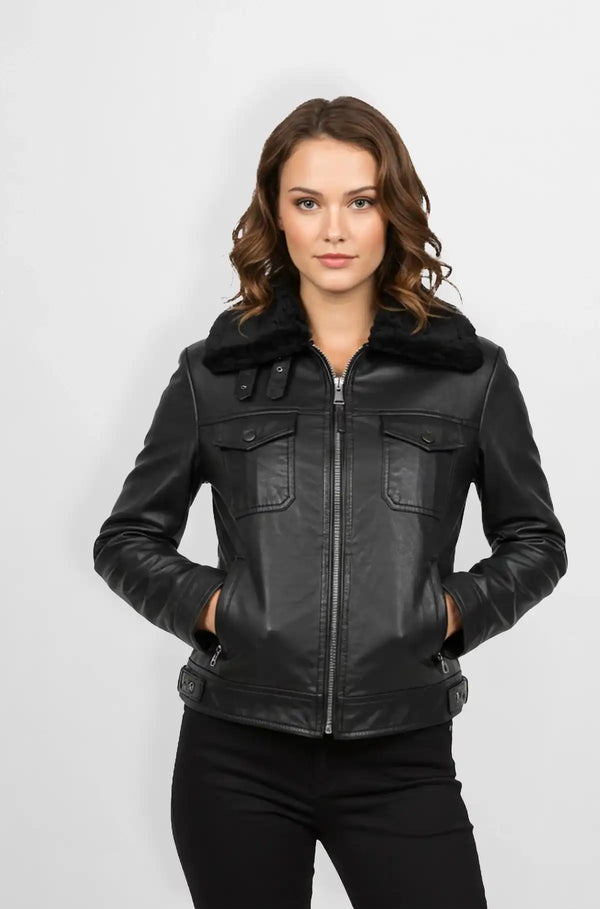
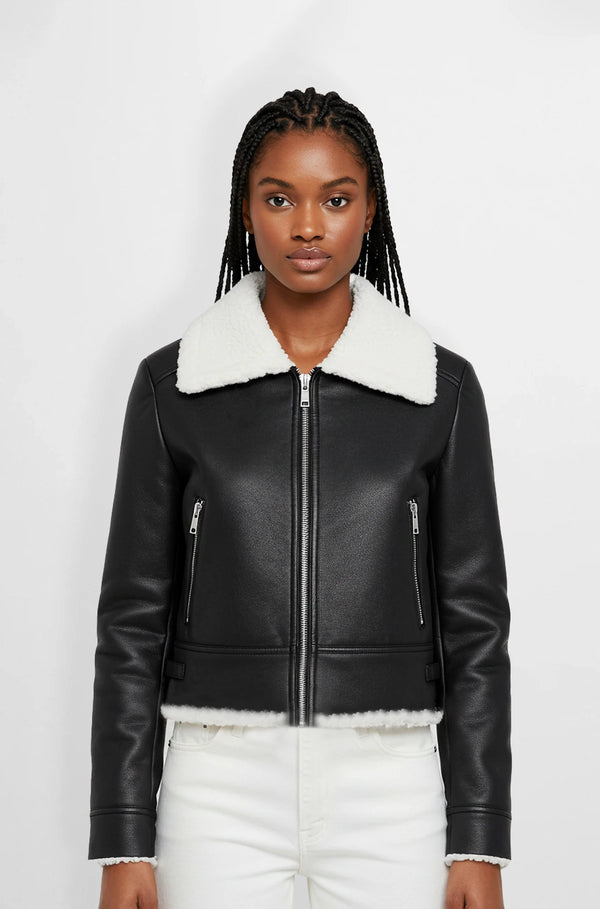
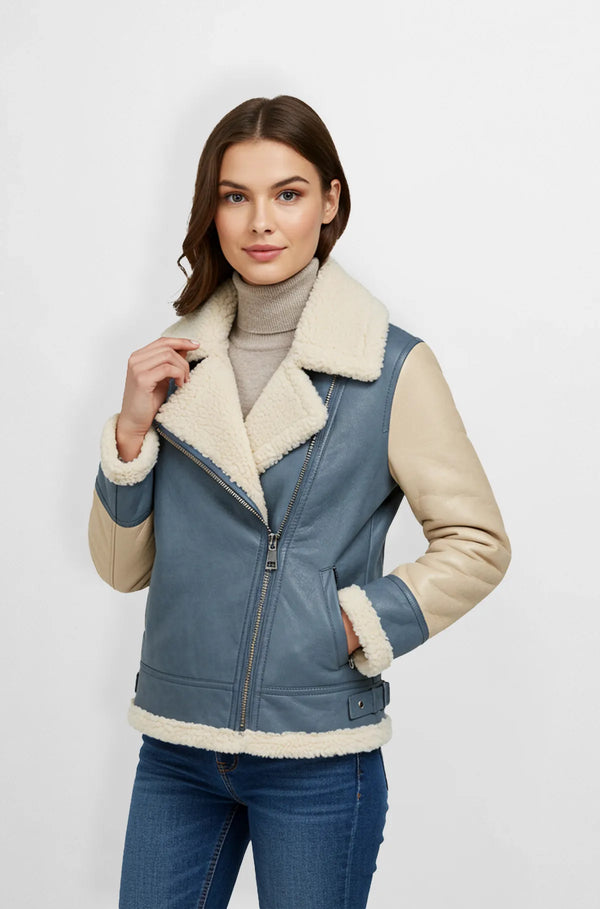
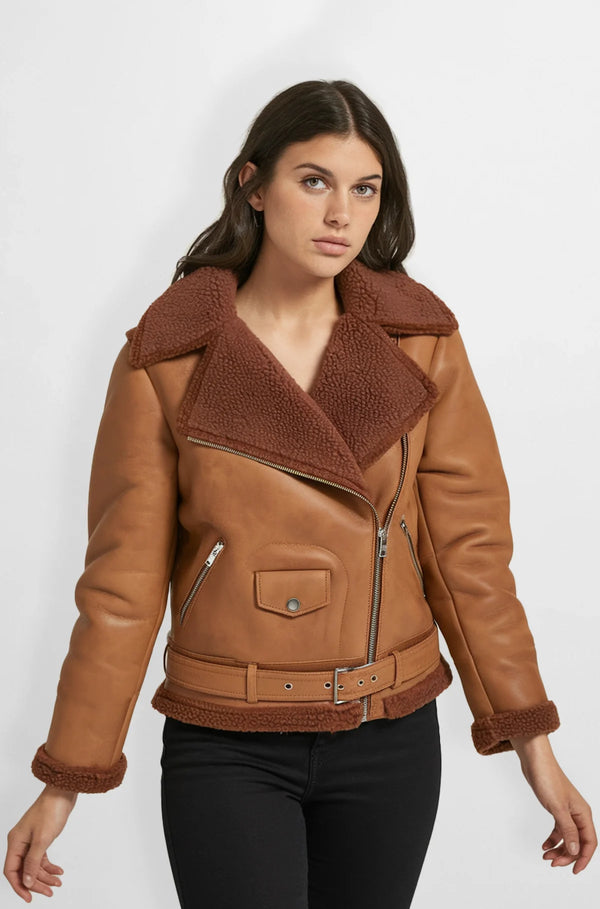
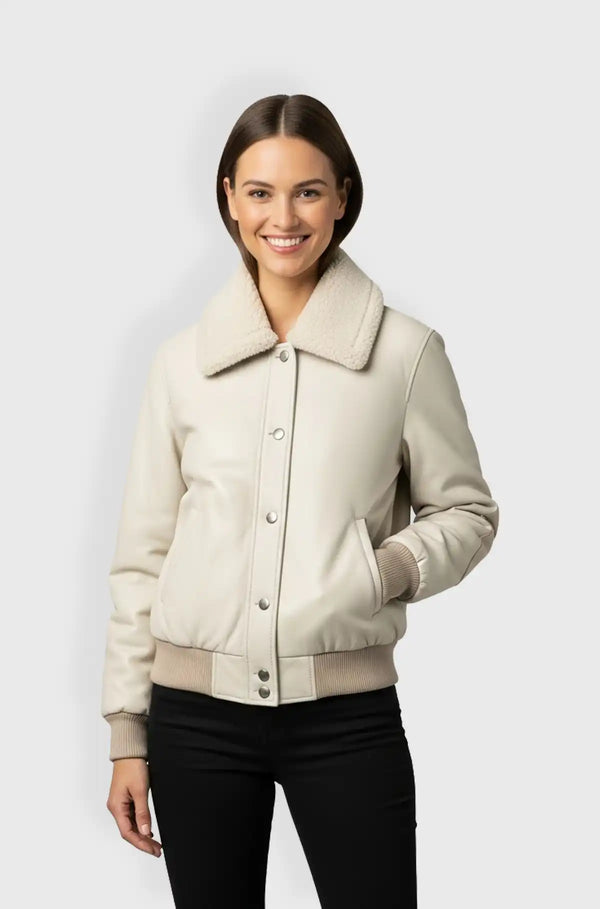
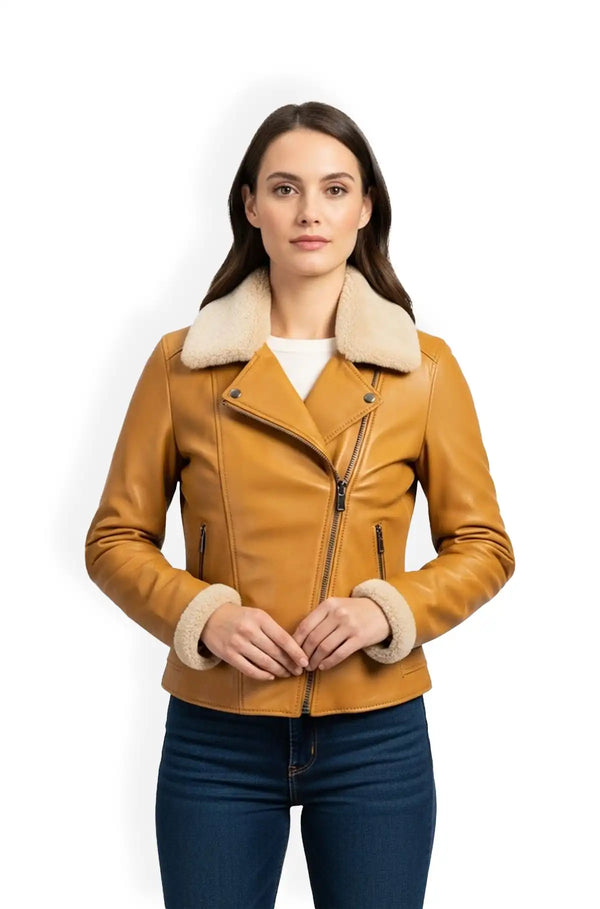
Shearling is a processed sheepskin or lambskin pelt, tanned with the wool still attached, so that the dense wool fleece forms the interior of the garment and the suede or leather surface forms the exterior. It is one of the oldest materials used in cold-weather outerwear, and its insulating logic, a fixed wool lining permanently bonded to the hide, is still unmatched by most synthetic alternatives for consistent warmth over years of wear. Fineyst's women's shearling collection includes genuine and faux sheepskin in cropped aviator cuts and longline coat styles, in ivory, tan, and black.
What Makes Shearling Different from Other Winter Outerwear
Most winter jackets separate the insulating material from the outer shell: down or synthetic fill is packed between an inner lining and an outer shell fabric, held in place by baffles. Shearling reverses that logic entirely.
In a shearling garment, the insulation and the shell are the same object. The tanned hide is the exterior, and the wool still attached to that same hide is the interior. Nothing is added, nothing is sewn in separately, and nothing can shift, settle, or compress away from where it needs to be. That structural permanence is what gives genuine shearling its longevity: the wool lining on a well-cared-for shearling coat does not thin out or flatten the way synthetic batting does over years of compression.
A further advantage that is less commonly understood: wool retains a meaningful portion of its insulating ability even in damp conditions. Synthetic fills, including the highest-rated down, lose insulating performance when wet. Shearling's wool fibers maintain their warmth in humid, changeable winter weather in a way that purely synthetic insulation does not.
Cropped Aviator or Longline Coat: Choosing Your Length
Shearling is available in two fundamentally different silhouettes at Fineyst, and the choice between them changes both the look and the practical warmth the garment provides.
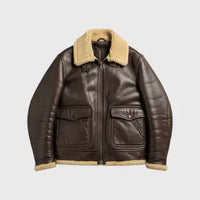
A cropped aviator-style shearling jacket is the shorter, more historic cut, ending at or above the hip. The wide, fold-down shearling collar is its signature detail, designed to be worn open for a relaxed look or pulled up and cinched at the throat against serious cold. This is the silhouette closest to the original military aviator and flying jacket tradition, where the oversized collar sealed out wind at high altitude. It is the more visually striking option and works well for everyday winter wear without the full coverage of a coat.
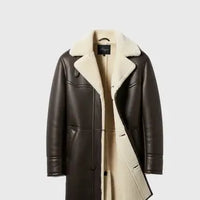
A longline shearling coat extends well past the hip, often to mid-thigh or the knee, providing substantially more coverage and warmth simply by covering more of the body. This length sits closer to traditional shearling coat proportions from the Afghan coat and other historical shearling coat traditions, and it is the more practical choice for anyone who prioritizes full cold-weather coverage over a shorter, sportier silhouette.
Hooded options are also available in both lengths for additional wind protection.
Genuine Sheepskin vs. Faux Shearling: A Straightforward Guide
Fineyst's collection includes both genuine sheepskin styles and faux shearling options, listed clearly on each product page. Understanding the difference helps you choose correctly.
Genuine shearling is a tanned pelt, the full hide of a sheep or lamb with the wool still attached. It is heavier than faux versions, has a natural variation in fiber texture that synthetic pile does not replicate, and ages visibly over time, developing patina and character in the leather exterior. Because it involves the animal's full hide, the animal must be slaughtered to produce it. In most commercial production, shearling is a byproduct of the meat industry rather than a separately raised source, though this varies by producer and region.
Faux shearling, sometimes called sherpa, is a synthetic pile fabric designed to approximate the look and feel of genuine sheepskin. It is lighter, easier to care for, and does not require the same specialist cleaning process. It is also fully synthetic, which makes it the preferred choice for buyers who want the visual warmth of shearling without using an animal product.
Neither material is inherently superior in every context. Genuine shearling offers unmatched warmth, longevity, and natural insulating properties. Faux shearling offers lighter weight, simpler care, and animal-free construction.
Colors and What They Communicate
Ivory and off-white shearling is the most immediately luxurious read on the material, because the natural color of the wool is visible without dye altering it. It is also the most delicate in terms of staining risk and requires the most diligent care.
Tan and camel are the most versatile shearling tones, reading as warm and natural without the high-contrast starkness of black or the maintenance demands of ivory. They pair easily with the browns, creams, and neutrals that naturally complement shearling outerwear.
Black is the most modern and city-friendly option, reading less like a heritage piece and more like a contemporary outerwear statement. Black also shows wear, conditioning, and patina differently than lighter shades, with the leather exterior developing depth rather than visible color change.
Caring for Shearling
Shearling rewards care more than almost any other jacket material, because genuine sheepskin cared for properly can last several decades while a neglected piece can deteriorate in a single season.
Professional cleaning by a specialist in leather and shearling is strongly recommended over a standard dry cleaner or any home washing method. The tanned hide and attached wool require different cleaning processes than fabric, and a standard dry clean can permanently damage the leather while attempting to clean the wool.
Spot cleaning light surface marks with a slightly damp cloth handles most everyday situations without requiring a full professional clean. For the wool interior, a soft suede brush run gently in one direction restores the nap if it has flattened from wear.
If the coat gets wet, blot moisture gently with a dry cloth rather than rubbing, and let it air dry naturally at room temperature. Direct heat, whether a radiator, hairdryer, or direct sunlight, will cause the leather to stiffen and crack unevenly as it dries, which can be permanent.
Store shearling hung on a wide, padded hanger in a cool, dark, well-ventilated space. A breathable cloth garment bag is appropriate for long-term storage. Avoid plastic, which traps moisture and can cause mildew in the dense wool over time.
Why Choose Our Collection
-
Premium Quality
Crafted with the finest materials for exceptional durability
-
Competitive Pricing
Exceptional value without compromising on quality
-
Fast Shipping
Quick delivery to your doorstep with care
-
Customer Satisfaction
Trusted by customers across 5 countries
Frequently Asked Questions
Is shearling real leather?
What is the difference between a shearling jacket and a shearling coat?
How do I know if shearling is real or fake?
Are shearling coats warm enough for winter?
What is faux shearling?
How should I store a shearling coat between seasons?

Quick Shop (Select your Size)

Quick Shop (Select your Size)

Quick Shop (Select your Size)

Quick Shop (Select your Size)

Quick Shop (Select your Size)


Quick Shop (Select your Size)

Quick Shop (Select your Size)

Quick Shop (Select your Size)

Quick Shop (Select your Size)























Find your best fits
Receive size recommendations by entering your data for each category
Tops
Size recommendations for shirts, coats, jackets, etc